MethodologyUpdated 27 July 2026 · 16:42 IST
Editorial still of a cricket journalist's desk with notebook, pens, reading glasses, coffee mug and tabbed colour markers.
Methodology

Methodology — how the Sixer matchday desk is built and how every number reaches a reader.

Sixer is an editorial matchday desk for fantasy cricket. The desk reads at least four named sources per fixture, tags every number with an update time, and publishes dated corrections on the same URL. This page is how the desk is wired, in plain language.

Source layer

The source layer the desk reads on.

Sixer reads at least four named sources per fixture and tags the source on every number that reaches a note.

Official broadcaster feed

The tournament broadcaster's site is the first source the desk reads. Toss calls, XI sheets, injury notes and venue changes typically file here within minutes of the official announcement.

Source 1 of 4

Team-association press release

Each franchise's press release window is the second layer. We cross-check the broadcaster feed against the team's own statement; gaps are logged in the corrections feed.

Source 2 of 4

Independent cricket statistician

A named cricket statistician's published dataset is the third source layer. Boundary zones, strike-rate ladders and dismissal-mode data are typically cross-checked against this feed.

Source 3 of 4

Curator's pre-match note

The morning curator's pre-match note carries the pitch, dew and wind tags the desk relies on. We re-read this note before any matchday edit ships.

Source 4 of 4
Editorial voice

How the desk writes.

Sixer writes in plain language. No SEO filler. No adjectives on a fact. No "this page" or "this article" — the reader is reading the desk's note, not the desk's meta.

Editorial photograph of a cricket journalist's open points-ledger notebook with a pen and half-drunk cup of tea on a wooden press table.
Voice rule

Plain, dated, sourced.

The desk writes in plain English with a date and source on the same line. Where a sentence is decorative, the desk removes it; the editorial register is a working note, not a magazine piece.

Editorial photograph of a quiet pitch under evening light illustrating a dated, sourced entry.
Boundaries

What the desk does not do.

Sixer does not run contests, does not hold wallets, does not facilitate entry, does not guarantee returns and does not offer investment advice. The first-party access route is a single navigation link to the platform a reader uses to open their own account.

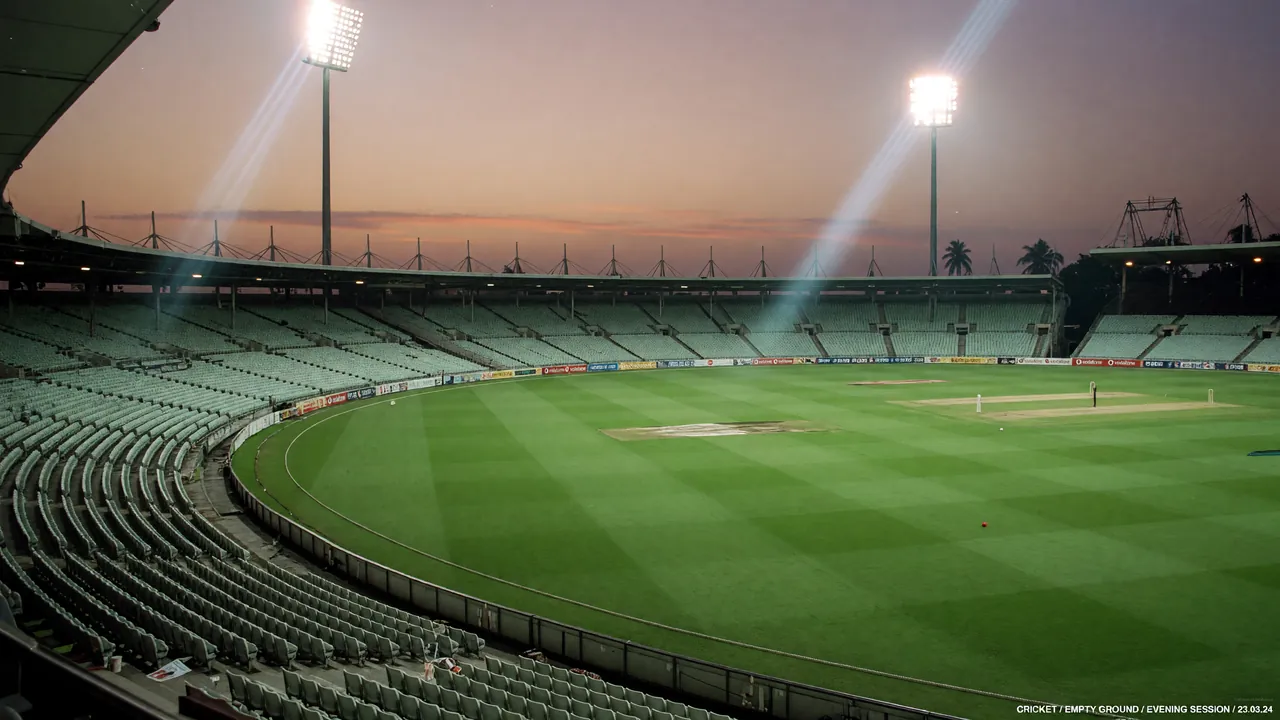
Boundary-rope view of an international cricket stadium with the rope and pitch in the foreground.
Corrections

Dated corrections on the same URL.

If a desk note gets a fact wrong, the desk publishes a dated correction on the same URL. The corrections log stays public on every page; no silent rewrites, no overnight edits.

FAQ

Reading methodology.

What the desk hears most.

How are sources verified?
Every source listed on the desk is named and linked where a public URL exists. Where a source is private, the desk describes the publication's editorial reputation without quoting the material.
How is the desk structured?
The desk is a small editorial team. Sixer is not a wire service. Each matchday note carries a human desk stamp.
What about AI-generated text?
Sixer does not run AI text generation on the desk. Notes are written by the editorial team; AI is used only for image generation and editorial layout tooling.
Where can I send a tip or a correction?
[email protected] — the desk reads the same mailbox for corrections and tips.
Reading the desk

Reading the editorial desk.

Sixer reads the editorial desk as a working publication: source, time, correction, accountability. Each row is the editorial anchor.

Source

Every number carries a source. The desk says so on the same line as the fact.

Time

Every row carries the time the desk last re-checked the fact. The row moves when the fact moves.

Correction

Wrong facts get a dated correction on the same URL. The corrections log stays open.

Accountability

The desk signs off every note. The corrections log is the editorial record; the desk owns the record.

Editorial layers

Reading the desk's editorial layers.

Sixer's editorial desk works in three layers: the source layer, the verification layer and the publication layer. Reading the layers means understanding how the editorial record is built.

Source layer

The desk reads from a named source list per matchday. Source-first reporting means a number only enters a note after the desk can name the source.

Verification layer

The verification layer is the cross-reference step. The desk cross-references sources against public feeds before a note is published.

Publication layer

The publication layer is the moment the note ships. The desk signs off every note; the corrections log carries the dated corrections.

Reading the editor's note

Reading the editor's note.

Sixer's editor's note is the editorial anchor for the desk's working read on the day. Reading the editor's note means reading what the desk is leaning toward.

Editor's note

The day's editorial anchor.

The editor's note carries the desk's working read on the day's fixtures, captain calls and venue reads. The note is the editorial anchor for the rest of the day's coverage.

Corrections

The desk's accountability.

Where a desk note gets a fact wrong, the corrections log carries the dated correction. The corrections log is the editorial record; the desk owns the record.

Sources

The desk's reading layer.

Sixer reads from a named source list. The list is the editorial framework the desk carries; the desk does not quote a source it cannot name.

PLAY NOW
First-party route · 18+ · state eligibility applies