PlayersUpdated 27 July 2026 · 16:42 IST
Editorial cutout of a left-handed Indian middle-order T20 anchor in a confident stance, soft studio backdrop.
Players

Players — a phase-by-phase read on the roles the desk uses on a matchday.

Sixer splits players by phase, not just by batting slot. The cutout, the strike rate, the dismissal mode and the captaincy lean sit in the same profile; the desk uses them on the same matchday.


Role classes

Six role classes the desk tracks.

Sixer reads players through the role they actually play, not just the batting slot.

Editorial photograph of an international pavilion exterior, single-tier press box, soft daylight — opener illustration card.
Opener

Cash the powerplay.

A safe opener can win a captain call when the venue favours the powerplay; otherwise the openers are a foundation, not the captain crown. Sixer tags the six-share and dismissal mode.

11.5+
Powerplay 6s
158.4
Open SR
42%
Off-side 6
Editorial cutout of a seam-bowling all-rounder in a relaxed three-quarter pose.
Anchor

Hold the middle.

Anchors rarely win captaincy but they save teams from collapse. Sixer weighs dot-ball share, control percentage and rotation against spin. A captain-call anchor is rare; a must-pick anchor is normal.

28%
Dot share
82%
Control %
128
Vs spin SR
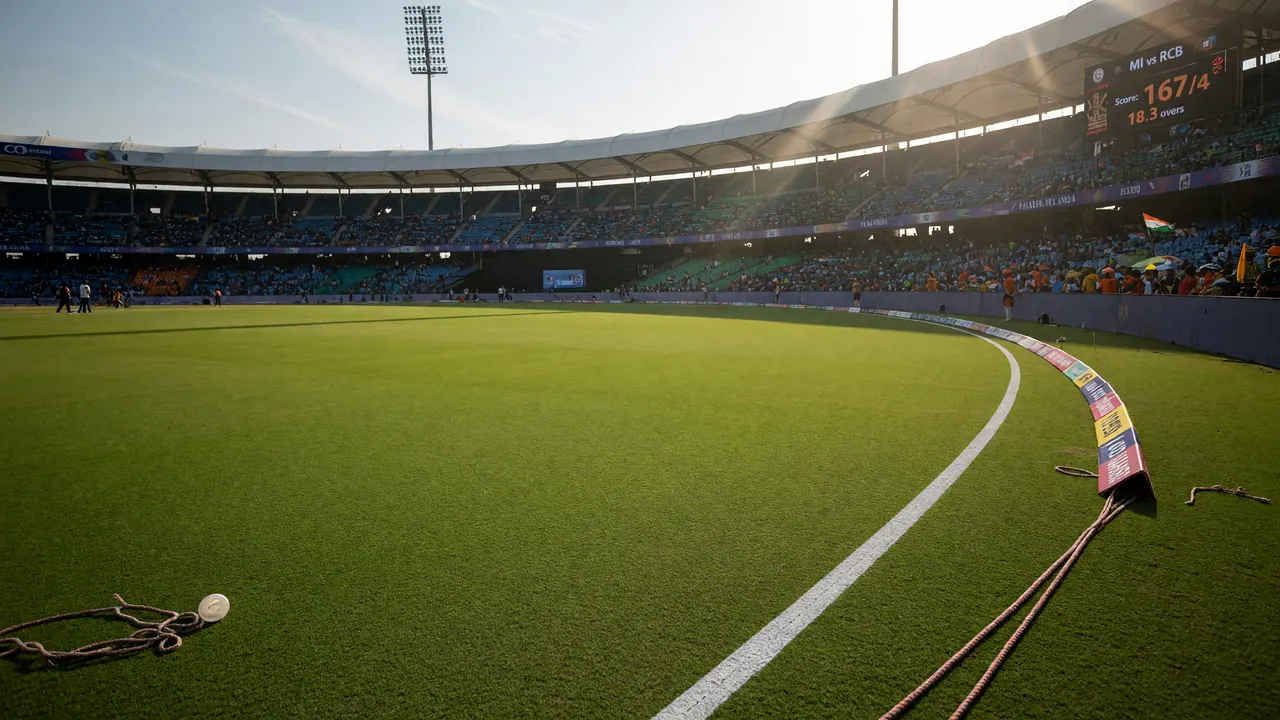
Editorial photograph of a sunlit T20 ground between innings, no players in frame — finisher illustration card.
Finisher

Death-overs upside.

Finishers are the cleanest captain upside but carry the cleanest dismissal risk. The desk reads death-overs strike rate, six-per-ball and dismissal mode when going for the big shot.

192.7
Death SR
0.71
6s/ball
62%
Boundary
Editorial photograph of a T20 pitch under cool evening floodlights, square-leg view, quiet mid-innings pause — late-innings illustration card.
All-rounder

Two credit slots in one.

The seam-bowling all-rounder gives two credit-share slots in one player. Sixer balances batting SR against economy and the captaincy impact when an all-rounder swings a phase.

7.4
Career econ
142.0
Batting SR
11
Wickets
Editorial still of a single wooden park bench beside an empty cricket oval at dusk — wicketkeeper illustration card.
Wicketkeeper

Volatile in two directions.

Keeper-batter is the most volatile role in fantasy. The desk weights dismissals caught behind, stumping impact, batting position and boundary share.

0.6
Dismiss/match
4
Batting slot
31%
Boundary
Editorial photograph of an empty press-box corridor at an international stadium, wooden bench and a single folded matchday programme — spinner illustration card.
Spinner

Wickets at phase.

Specialist bowlers win through wickets, economy and dot balls at the right phase. The desk tags powerplay, middle and death phases separately.

7.1
Economy
1.4
Wkts/match
5
Middle econ
Captaincy lean

Captaincy lean: three cuts, three tiers.

A captain pick is not a single name — it is a tier. Sixer publishes the tier the data leans toward.

A

Tier A — opener captain

When the venue's powerplay favours boundary hitting and the surface has bounce, the opener captain call is the data's lean. Risk is a fast-bowler first-two-overs spell.

B

Tier B — all-rounder captain

When the bowling phase is the swing moment, the all-rounder captain is the data's lean. Risk is low SR against spin; reward is a captain who can swing a phase with the ball.

C

Tier C — finisher captain

When the chasing side's required run-rate in the death is above 11, the finisher captain is the data's lean. Risk is dismissal when going for the big shot; reward is the cleanest six-per-ball number.

FAQ

Questions on how the desk reads players.

A short read.

How does Sixer tag a player's role?
By the phase the player actually plays most often — powerplay, middle or death — not by the batting slot number on the team sheet.
Where do the player cutouts come from?
Editorial photographs generated for the desk. Sixer does not publish photographs it has not generated or licensed; no third-party agency imagery is used.
Does Sixer publish a player ranking?
No. The desk publishes phase reads and role-class reads, not subjective rankings. Captaincy lean is a tiered read, not a score.
Reading players

How the desk reads players.

Sixer reads players through the role they actually play — opener, anchor, finisher, all-rounder, wicketkeeper, spinner — rather than through the batting slot on the team sheet.

Role over slot

The role is the working read. A wicketkeeper-batter can be a captain call; a wicketkeeper-batter batting at seven is a bench conversation.

Phase over season

The phase is the working read. A finisher's death-overs strike rate is the editorial number, not the season average.

Cutout over score

The cutout is the editorial photograph; the score is the working number. Sixer publishes the cutout-and-curve data on the player pages.

Card over ranking

The role card is the working read. A ranking is a working read too — but the desk publishes cards, not rankings.

PLAY NOW
First-party route · 18+ · state eligibility applies