Tournament calendarUpdated 27 July 2026 · 16:42 IST
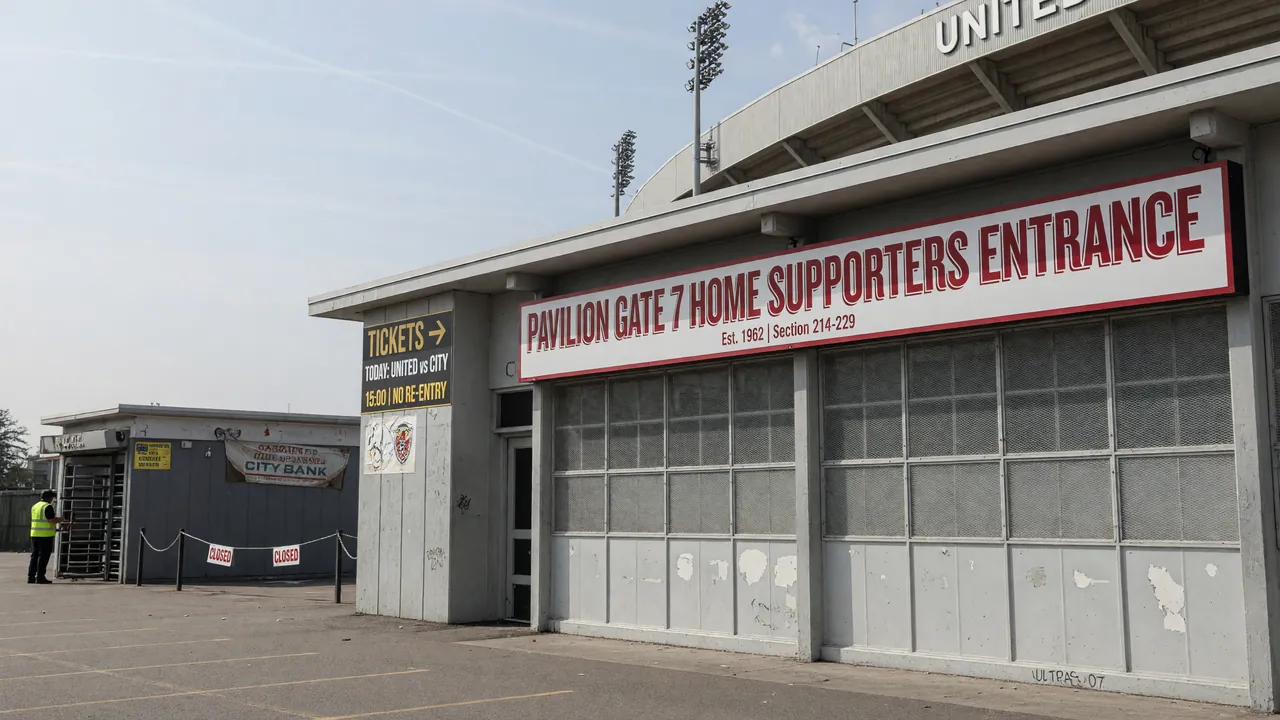
Editorial photograph of an Indian T20 cricket stadium during an afternoon match under daylight, lush outfield and stands in the background.
Tournament calendar

The 2026 Indian fantasy-cricket calendar, opened at the venue level.

Sixer reads the season in eight working windows — not by week number, not by trading deadline. Each window crosses the tournament schedule with the venue conditions that change how a six is hit and where it goes.
Windows

Eight windows the desk reads on.

A working read of the season's tournament windows, with venue conditions appended. Sixer will publish a correction when any tournament body officially moves a date.

WkWindowTournamentVenuesBoundary note
0127 Mar – 4 AprLeague A · opening week5Avg square-leg 58m
0525 Apr – 2 MayLeague A · mid-season5Dew enters after 6 overs
0923 May – 30 MayPlay-offs + qualifier3Shorter boundary square-leg
1214 Jun – 22 JunLeague A · final1Long straight, slow turn
145 Jul – 14 JulT20 Tri-series3Pace seam upfront
1728 Jul – 6 AugWomen's T20 · round-robin4Even bounce, square-leg holds
2122 Aug – 1 SepInternational T20I window6Day-night shift kicks in
2415 Sep – 22 SepDomestic One-day series4Spinners hold the middle

Sixer publishes the calendar once a season from the publicly recorded window list. Where a date moves, the desk flags the new window with a dated correction note.

Reading venues

What each venue does to a six.

Three things change a venue's six profile — pitch, wind, dew. We work through them in that order, never the other way around.

Pitch before powerplay

Sixer's pitching read starts with the morning of the match. A dry track favours spin in the middle overs; a green track brings seamers in. The first thing any captain call has to do is read the pitch — not the league table.

Source · curator's pre-match note

Wind over the rope

Some venues catch a steadier evening wind than others. Wankhede and the Chinnaswamy produce more off-side sixes on a windy evening; Eden Gardens holds the wind on the square boundary. We log which side of the boundary the wind crosses each matchday.

Updated per evening flag

Dew window

The dew window is the most underrated variable on the desk. A heavy-dew evening favours the chasing side because grip drops. Sixer tags every evening flag with the dew profile so your captain call knows whether to chase or set a target.

Logged for the last five seasons
Boundary notes

Boundary notes by venue, in plain language.

Short observations recorded by the desk across the last two seasons. Boundary distance is approximate; we verify against the venue's published boundary plan when one exists.

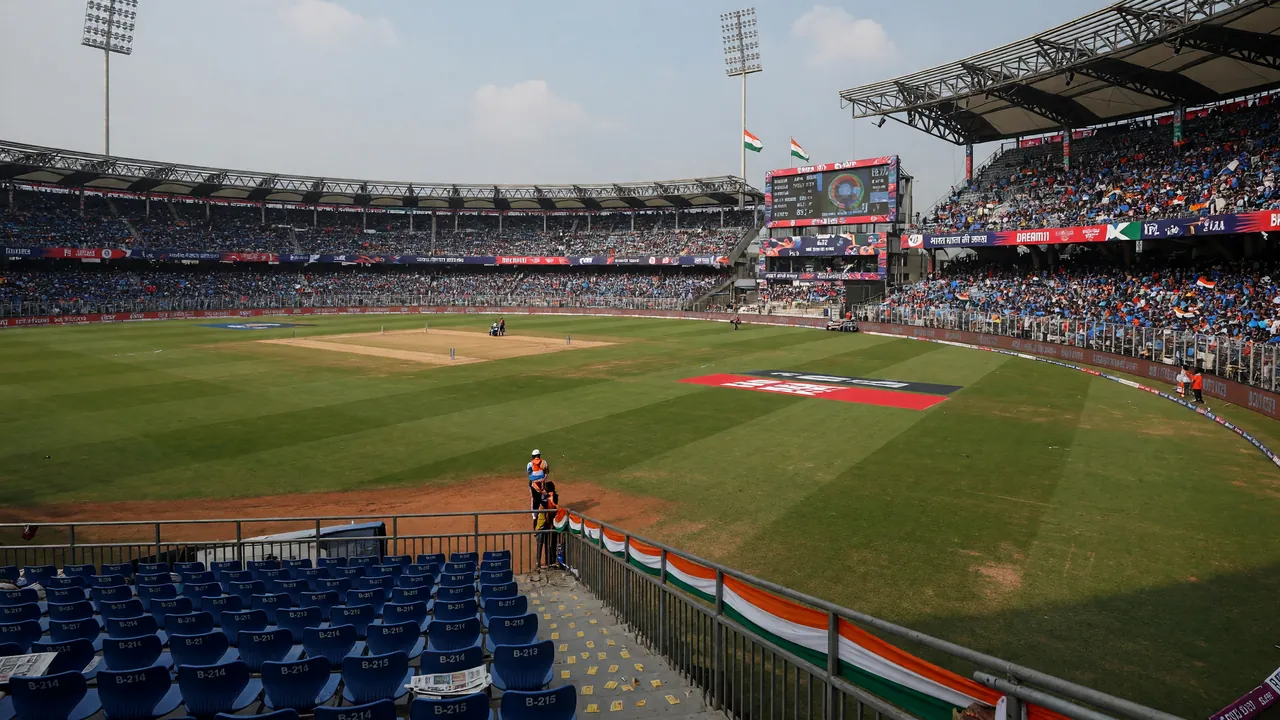
Captain and coach at the toss area beside a daytime venue.

M. Chinnaswamy · Bengaluru

Short square-leg boundary; high six-per-ball rate when the track has bounce. Off-side is the generous boundary; mid-wicket can be slog-or-die in the death overs.

Avg square-leg 58mHigh six-rate
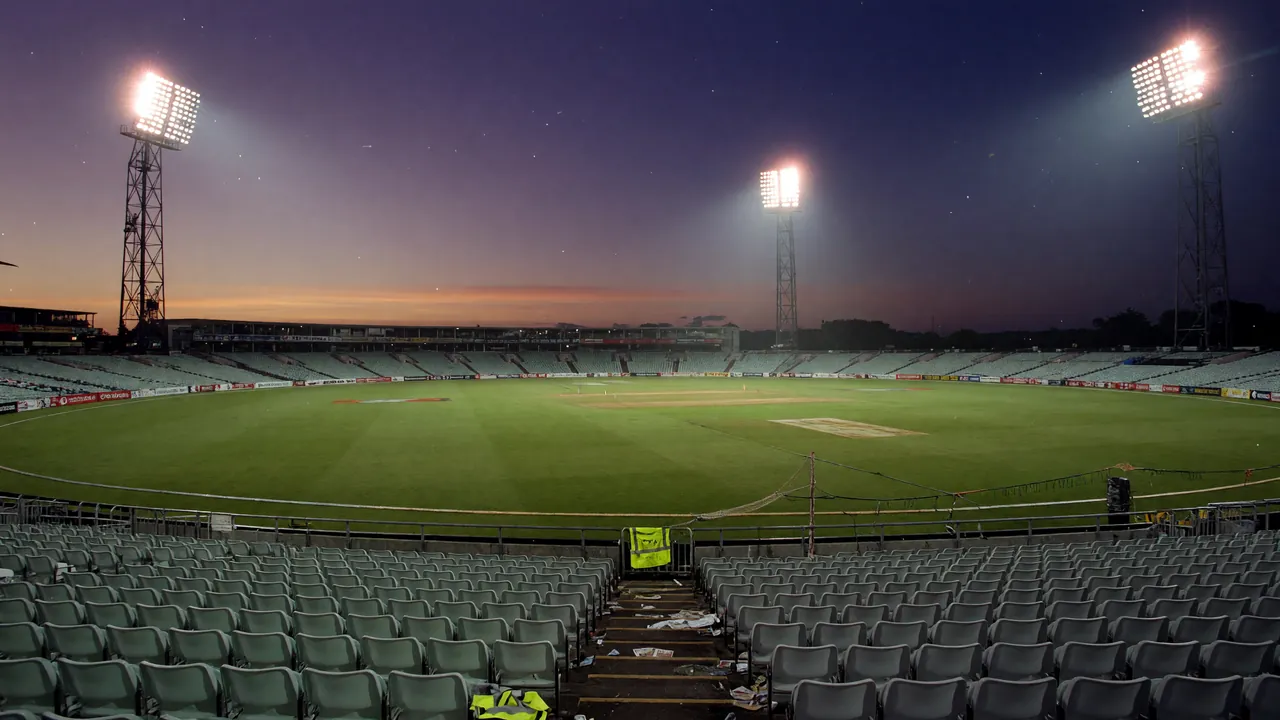
Floodlit cricket pitch at dusk with empty foreground.

Wankhede · Mumbai

Dew window is the variable to watch. Off-side holds the evening wind; chasing side wins disproportionately. Pace seamers get the new ball; spinners hold the middle.

Heavy dewOff-side wind
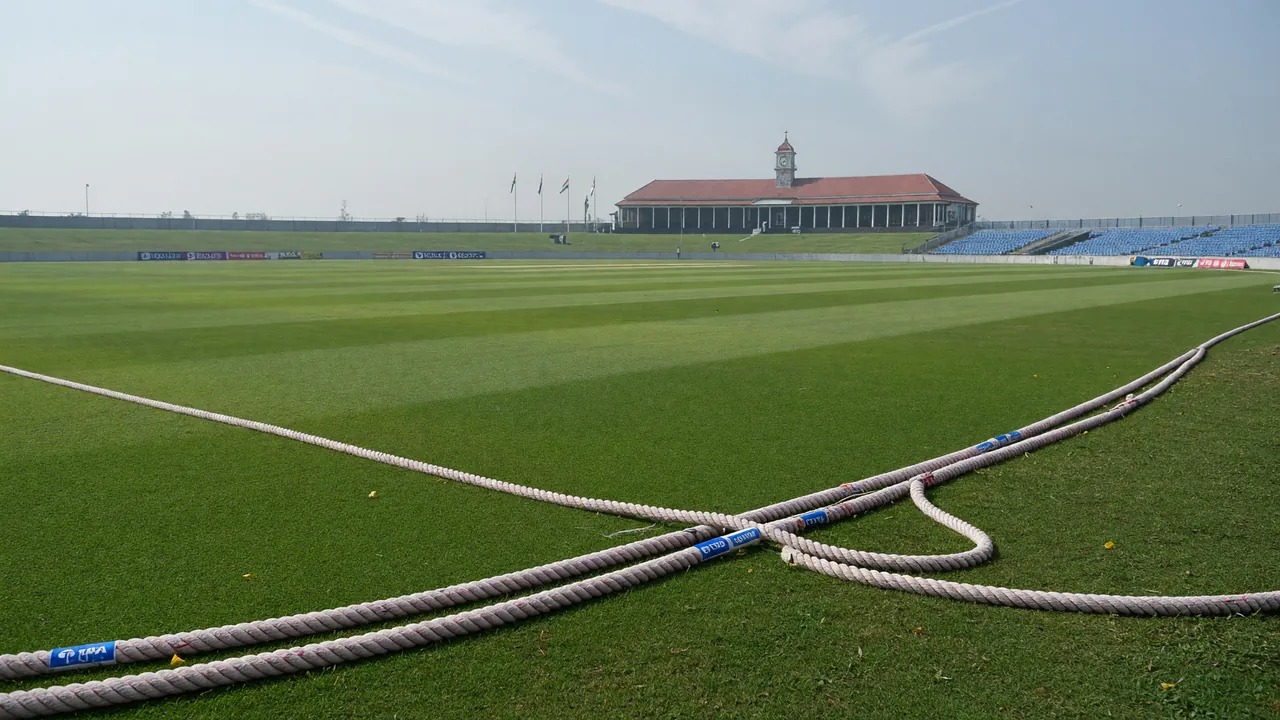
Boundary-rope view of an international stadium with pitch visible in the foreground.

Eden Gardens · Kolkata

Long-straight and slow turn characterise this ground. Spinners hold the middle; finishers who go long-on or long-off play the long boundary rather than the short one.

Long straightSlow turn
FAQ

Quick reads on the calendar.

A short note on the questions the desk hears most about the calendar.

How does the desk decide on eight windows?
Eight is not a magic number — it is the number of distinct tournament windows the calendar holds in a typical Indian season. We add windows when a new tournament starts and reduce them when one folds. The calendar's editorial structure stays stable; the window list moves when the calendars do.
What if a tournament date moves mid-season?
Sixer publishes a dated correction on the same URL. The window list is rebuilt from the new dates and the desk flags the move in the chapter ribbon. No silent rewrites.
How is boundary distance verified?
We read the venue's published boundary plan where one exists and cross-check the historical six-share. The boundary note on each venue card is the working read after both layers are checked.
Where does Sixer get its window list?
From the publicly recorded window list issued by the relevant tournament body. The desk does not publish a window before it is announced.
Reading the calendar

Reading the tournament calendar.

Sixer reads the calendar in eight working windows. Each window crosses the tournament schedule with the venue conditions that change how a six is hit.

Window structure

Eight windows is the editorial number. Add windows when a new tournament starts; reduce them when one folds.

Boundary notes

Boundary notes carry the venue's working read — square-leg boundary length, off-side zone, long boundary tag.

Editorial scope

Where a tournament date moves mid-season, Sixer publishes a dated correction on the same URL.

PLAY NOW
First-party route · 18+ · state eligibility applies