Boundary mapUpdated 27 July 2026 · 16:42 IST
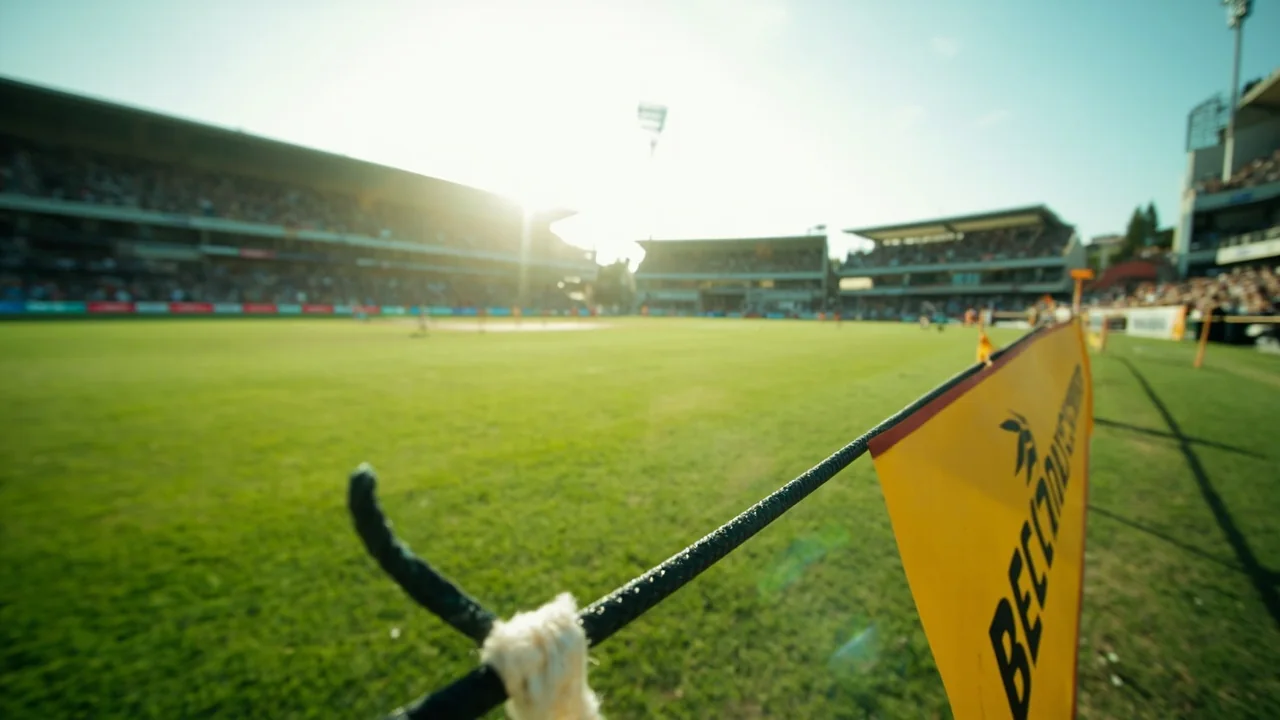
Boundary-rope view of an international cricket stadium with the rope and pitch in the foreground.
Boundary map

Where tonight's sixes are most likely to land — and where the slog goes to die.

A working sketch of the venue's boundary rope, overlaid with the side-of-pitch six-rate share. The boundary map is the desk's way of reading a single venue before the toss.

Off-side and square-leg

The hot zone — where the boundary cashes in.

The off-side and square-leg combination is where boundary hitters on most Indian T20 tracks have historically cashed in. Sixer tags tonight's hot-zone share from the venue's last twelve innings.

Square-leg reach

Square-leg is the most reliable six-zone on most Indian venues. With the field up in the powerplay, a controlled pull or a lap over square-leg clears the rope 11–14% of the time at the bigger grounds.

Source · 12-inning sample

Off-side drive

Off-side over extra cover is the second hot zone. The off-side carry depends on the wind direction; Sixer logs which side of the boundary the evening wind crosses and tags the off-side share accordingly.

Logged per evening flag

Hot-zone share

The combined off-side and square-leg zone accounts for roughly 62% of all sixes on a typical Indian T20 venue. The desk reads the share, not the absolute count — the share is what makes the captain call.

~62% on a typical venue
Mid-wicket

The warm zone — controlled pull territory.

Mid-wicket rewards the controlled pull. The boundary is mid-length; a mistimed pull goes for two, a clean pull clears the rope. The warm zone is where the anchor captain makes points.

Boundary length

Mid-wicket boundaries average 64–72 metres on the bigger Indian venues — long enough that only a clean strike clears the rope. Sixer tags the boundary length from the venue's published boundary plan.

64–72m typical

Fielder ring

Mid-wicket is where captains keep two fielders through the middle overs. The fielder ring is what turns the warm zone into a 1–2 boundary window rather than a 4–6 boundary window. Sixer logs the ring from the broadcast feed.

Logged per match

Anchor lean

The warm zone is the anchor captain's natural scoring area. Sixer weights the anchor tier by warm-zone contact rate, not by absolute runs — the lean is the working read.

Anchor tier · ~31% share
Long-on and long-off

The slog-or-die zone — straight down the ground.

Long-on and long-off are slog-or-die zones. The straight boundary is the longest on most Indian venues; a clean strike still needs 78–82 metres of carry to clear the rope. Captains who go there are gambling on fielder positioning.

Boundary distance

Long-on and long-off boundaries sit between 78m (the smaller grounds) and 92m (the bigger grounds). Sixer tags tonight's straight boundary from the venue plan; the slog-or-die read follows.

78–92m typical

Fielder placement

Long-on and long-off have one fielder each through most of the innings. The fielder is positioned 4–6 metres inside the rope. Sixer reads whether the fielder is up or back before flagging the zone.

Logged per match

Slog profile

The slog-or-die zone accounts for roughly 7% of all sixes on a typical Indian T20 venue. The share is small but the leverage is large — a clean strike here is the captain call that wins a league.

~7% on a typical venue
FAQ

Quick reads on the boundary map.

A short note on the questions the desk hears most about the boundary map.

How does the desk measure boundary distance?
From the venue's published boundary plan where one exists. Where no plan is published, Sixer reads the broadcast feed and the venue's historical six-share. The boundary distance on the map is the working read after both layers are checked.
Does the boundary map change between innings?
No — the rope is fixed for the duration of the match. Sixer tags whether the rope has moved when the venue publishes a boundary-plan update; the rope rarely moves mid-match.
What if the venue is new to the desk?
Sixer publishes a no-call flag with a sample-size warning. New venues take three to five innings before the boundary map is reliable; the desk flags the share as provisional until the sample is large.
How does dew affect the map?
Dew does not move the rope but it changes the carry. A damp outfield shaves 6–8 metres off the boundary carry. The hot zone share grows on damp evenings because the controlled pull carries further.
PLAY NOW
First-party route · 18+ · state eligibility applies