Powerplay sixesUpdated 27 July 2026 · 16:42 IST
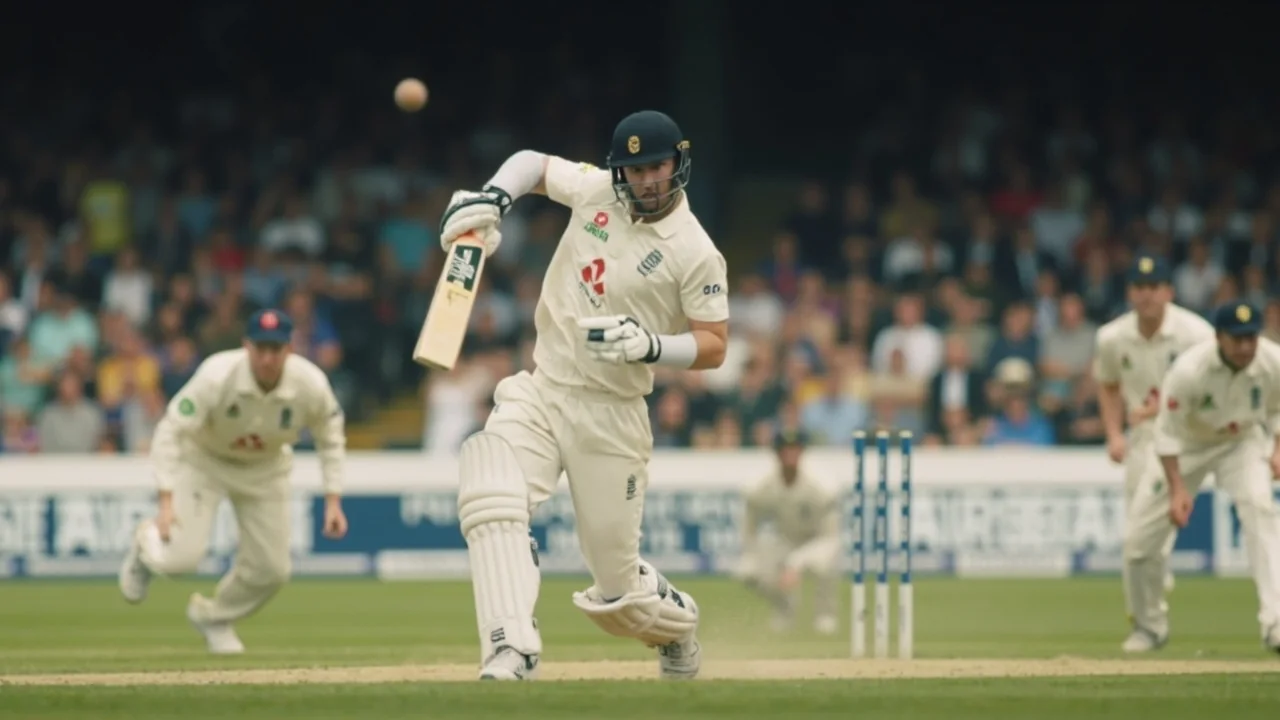
Editorial photograph of a T20 powerplay — opener driving through the off side with the field up.
Powerplay sixes

Where the first six overs are won — and how the captain call reads them.

The powerplay is the highest-variance phase of an Indian T20 innings. Sixer reads it three ways: by the venue's six-rate, by the fielder ring the captain sets and by the opener captain lean the math supports.

Six-rate

The venue's powerplay six-rate, tagged matchday morning.

Sixer reads the powerplay six-rate from the venue's last twelve innings. A high six-rate (over 11.5) supports an opener captain; a low six-rate (under 9) supports an anchor captain at three.

High rate

When the venue's powerplay six-rate is over 11.5, Sixer flags the opener captain tier. The opener's main risk — a fast bowler who gets movement in the first two overs — is weighed against the upside of three to four sixes in the phase.

~11.5 cutoff

Mid rate

A powerplay six-rate between 9 and 11.5 puts both the opener and the anchor captain in play. Sixer defaults to the opener when the square-leg boundary is short and to the anchor when it is long.

9.0 – 11.5 band

Low rate

When the powerplay six-rate is under 9, the opener captain is off the table. The captain call moves to the anchor at three — the working read is that the powerplay will absorb risk without rewarding it.

Sub-9 cutoff
Fielder ring

Why the two-up ring matters to the captain call.

The powerplay has a mandatory two-up fielder ring — two fielders outside the inner ring in the first six overs. The ring is the variable that turns the phase from a 4–6 boundary window into a 1–2 boundary window.

Square-leg reach

The two-up ring sits inside the square-leg boundary on most Indian venues. A controlled pull to square-leg has to clear two fielders before it reaches the rope. Sixer logs the ring position before each match.

Logged per match

Off-side gap

The off-side gap is the place the two-up ring is loosest. Cover and mid-off are the boundary-catching positions; extra cover sits 4–6 metres inside the rope. The opener captain who drives through extra cover picks the gap the ring leaves.

Logged per match

Ring movement

The captain moves the ring during the powerplay. Sixer logs whether the captain has brought a third fielder into the ring or kept the mandatory two-up shape. The ring state is the read.

Captain read
Captain lean

The opener captain's case for the powerplay.

An opener captain who clears 28 off 18 in the powerplay scores (28 × 2) + (2 × 8) = 72 captain points. The opener captain is the leverage pick on high-six-rate venues; the desk reads the venue first, the captain second.

Opener risk

The opener captain's main risk is a fast bowler who gets movement in the first two overs. Sixer flags the venue's powerplay wicket profile from the bowler card and the pitch note. A green track tightens the opener captain's case.

Logged per venue

Off-side share

The opener captain's off-side six share averages 42% across the bigger Indian venues. Sixer weights the opener tier by off-side contact rate, not by absolute six count — the share is what makes the captain call.

~42% off-side

Vice-captain

The vice-captain on an opener captain call is a finisher, not an opener duplicate. The opener and finisher captain are the two-phase pair Sixer works most often; the vice is the death-overs insurance, not a second opener.

Vice · finisher
FAQ

Quick reads on the powerplay.

A short note on the questions the desk hears most about the powerplay.

How does the desk measure powerplay six-rate?
From the venue's last twelve innings. Sixer reads the per-innings six count in overs 1–6, divides by twelve and tags the rate. The cutoff of 11.5 is a working read, not a rule — the desk flags when the venue is on either side.
What if the powerplay is interrupted by rain?
Sixer publishes a no-call flag. A rain-shortened powerplay has too small a sample for the six-rate to be reliable; the desk waits for the innings to settle before flagging the captain tier.
Can the bowler captain win in the powerplay?
Yes. A strike bowler with two powerplay wickets is a captain cut when the venue's wicket rate runs over the average. Sixer tags tonight's likely wicket profile from the pitch note before locking the captain call.
How does the desk handle a slow outfield?
A slow outfield shaves 4–6 metres off the boundary carry in the powerplay. The hot-zone share shifts slightly to the controlled pull rather than the off-side drive. Sixer logs the outfield condition from the curator's pre-match note.
PLAY NOW
First-party route · 18+ · state eligibility applies